How Much Is My Used Transformer Worth?
What determines used transformer value: kVA rating, voltage class, age, condition, copper vs aluminum windings, and market demand. Real pricing factors.
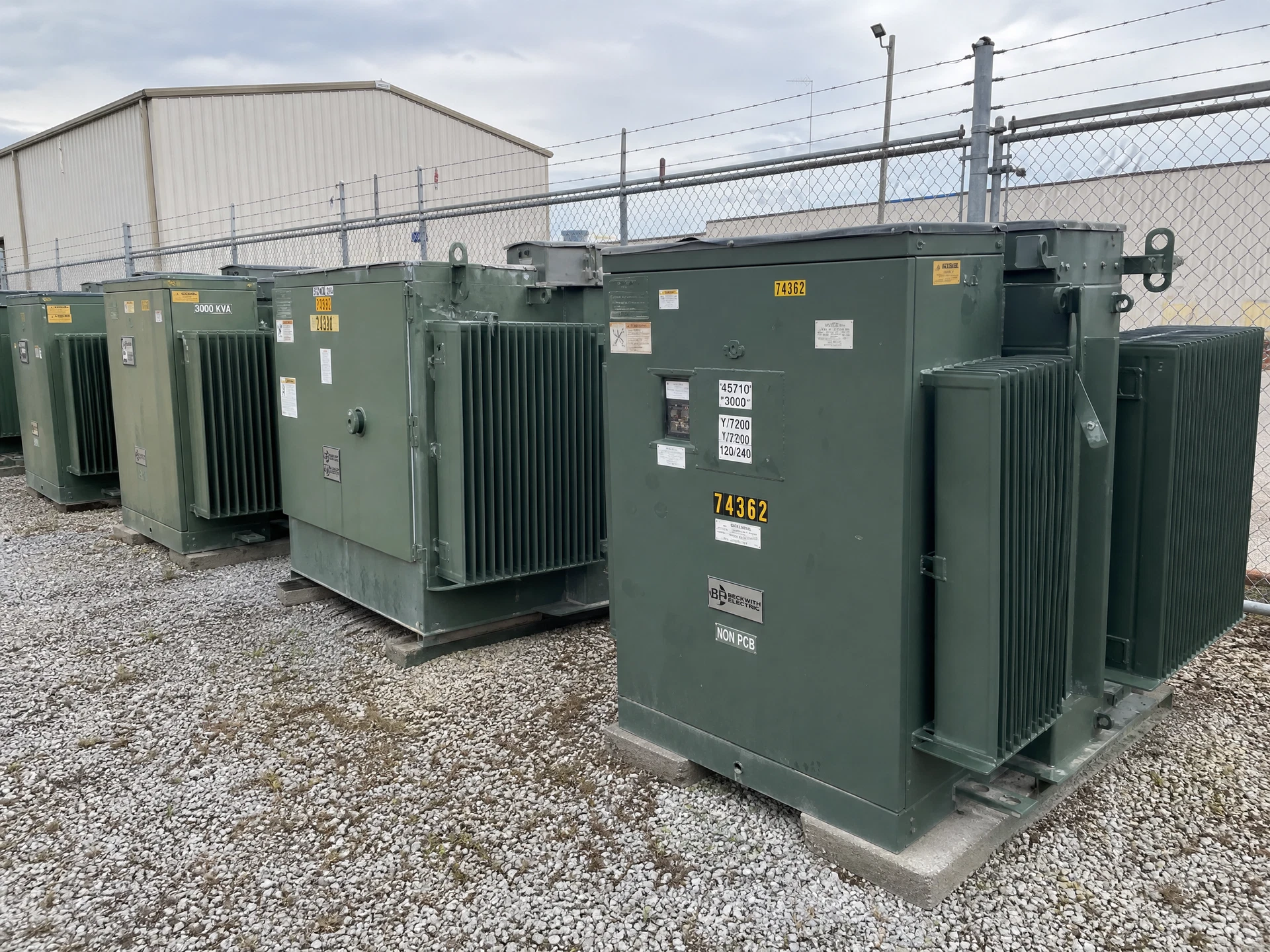
"What is my transformer worth?" is the question we answer most. The honest response: it depends on five factors, and this guide walks through each one so you can estimate before you even contact us — and understand the offer when it arrives.
The single most important fact: a working transformer is almost always worth more than its copper. Sellers who cut units for scrap routinely destroy 50-80% of the recoverable value. Read this before anyone takes a torch to a nameplated unit.
The Five Value Factors
| 1. kVA rating | Sweet spot: 500 – 2,500 kVA (highest resale demand) |
|---|---|
| 2. Voltage class | Common (12470V/480Y) = liquid; odd voltages = core value |
| 3. Winding material | Copper commands 15-30% over aluminum |
| 4. Age & condition | Post-2005, clean oil, tested = premium tier |
| 5. Market timing | Lead times on new units currently inflate used values |
How do buyers actually price a used transformer?
Resale-grade units price from what reconditioning shops and end users will pay, minus transport and testing costs. Core-grade units price from recoverable copper and steel weight. The gap between those two numbers is large: a 1500 kVA copper-wound padmount might be worth several times its scrap value in working condition. Our job is to qualify your unit into the highest tier the market supports.
What raises a transformer's value?
Documentation first: oil test results (DGA), maintenance records, and factory test reports can move a unit up a full pricing tier. Physical factors follow — intact bushings and elbows, no leaks, legible nameplate, and indoor or covered storage. Common secondary voltage (480Y/277V) widens the buyer pool and strengthens every offer.
What kills transformer value?
Cut cables at the bushings suggest hasty removal; missing nameplates force worst-case assumptions; visible leaks trigger oil-handling costs; and PCB-era units without test documentation carry compliance discounts until sampled. None of these make a unit worthless — but all of them are avoidable with ten minutes of care during removal.
Ready to sell? Get your offer today.
Send photos and nameplate details — we respond with a firm offer, typically within 24 hours. Freight and rigging arranged nationwide, payment before pickup.
Frequently Asked Questions
- Can you give a price range without photos?
- Only rough brackets. Nameplate photos turn guesses into firm offers — kVA, voltages, and winding material set most of the price.
- Is an old transformer automatically scrap?
- No. Age matters less than condition and configuration. Well-kept 1980s units with common voltages still sell as equipment.
- Do prices change with copper markets?
- Core-grade pricing tracks copper directly. Resale-grade pricing tracks equipment demand, which currently runs high due to long new-unit lead times.
Authoritative References
- EPA — Polychlorinated Biphenyls (PCBs) regulations — federal rules governing PCB-era transformer oil handling and disposal, the compliance factor behind PCB pricing discounts.
- DOE — Distribution transformer efficiency standards (10 CFR 431) — the efficiency standards (DOE 2016/2010) that separate premium-tier modern units from older stock.
- IEEE C57 transformer standards collection — the industry standards family (IEEE C57) that defines transformer ratings, testing, and loading referenced in valuation.