Electrical Decommissioning: How to Recover Equipment Value Instead of Scrapping It
Plan a plant or facility electrical decommissioning to preserve transformer, switchgear, breaker, MCC, panel, and cable value before demolition begins.
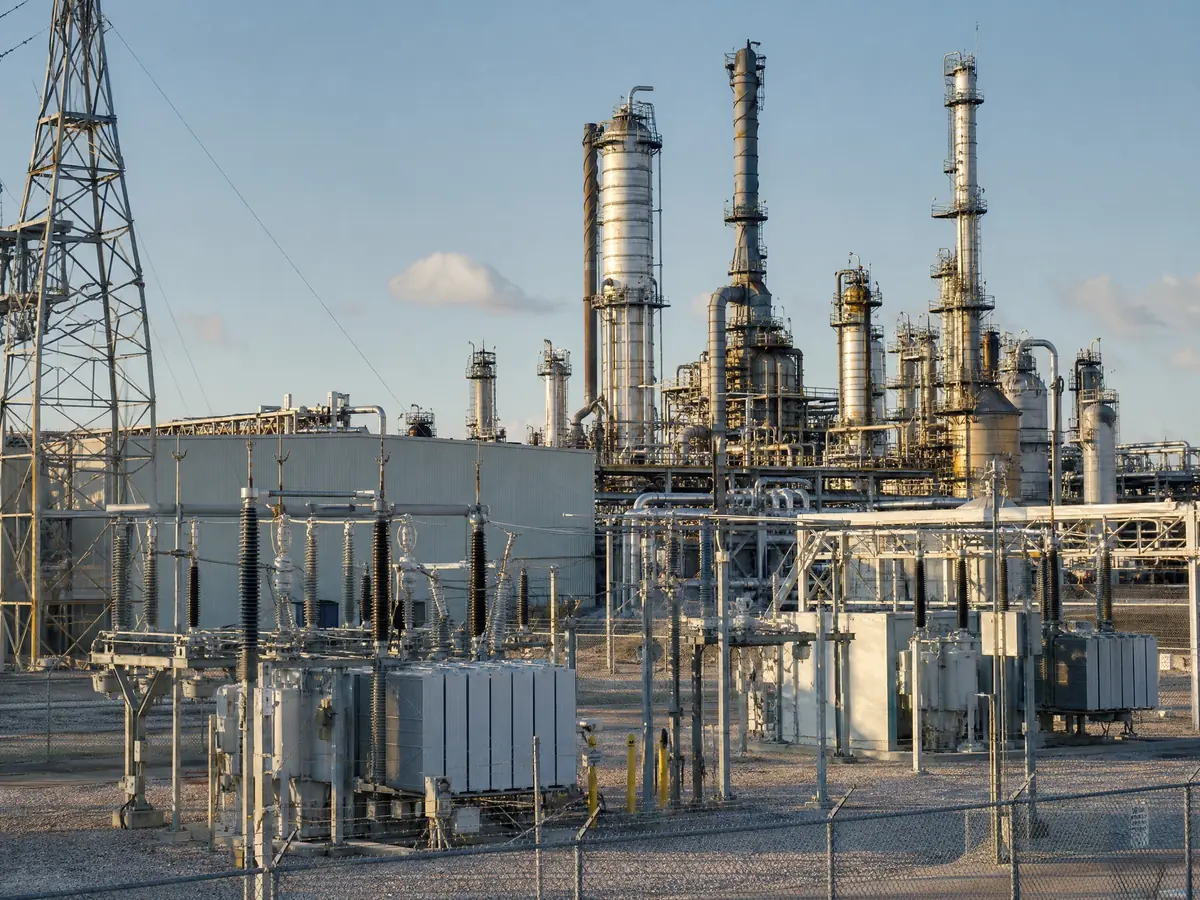
When a facility is slated for closure, upgrade, or demolition, the electrical infrastructure is often viewed as a logistical hurdle rather than a significant source of recoverable value. Plant managers, demolition contractors, and asset managers frequently face tight timelines that encourage quick, destructive scrapping of transformers, switchgear, and motor control centers. However, executing a strategic electrical decommissioning plan can transform these heavy assets into substantial capital recovery. By identifying reusable equipment early and coordinating with a specialized buyer before the wrecking ball swings, organizations can offset demolition costs and minimize environmental impact while streamlining the site clearance process.
Successfully recovering value from surplus electrical equipment requires a methodical approach that prioritizes safety, accurate inventory, and careful removal. The difference between a high-value asset and scrap metal often comes down to how the equipment is isolated, documented, and preserved during the decommissioning phase. Industrial Electrical Surplus buys transformers, switchgear, circuit breakers, panels, MCCs, and cable nationwide. By understanding the critical steps of pre-demolition inventory, safe isolation, and sequenced removal, project managers can ensure that valuable circuit breakers, panels, and transformers are protected and monetized efficiently.
Conducting a Pre-Demolition Electrical Inventory
The foundation of any profitable decommissioning project is a comprehensive pre-demolition inventory. Before any power is cut or demolition schedules are finalized, asset managers must walk the site to identify every piece of major electrical equipment. This includes padmount and dry-type transformers, low and medium voltage switchgear, motor control centers, large industrial breakers, and extensive cable runs. Capturing this information early provides a clear picture of what can be sold for reuse versus what must be recycled as scrap.
A thorough inventory should document the location, accessibility, and general condition of each asset. Noting whether equipment is situated in a basement, on a mezzanine, or outdoors on a concrete pad will directly influence the rigging and loadout strategy later in the project. By cataloging these assets weeks or months before the facility goes dark, teams have the necessary time to engage with specialized buyers, share details, and secure purchase agreements that maximize return.
- Identify all major electrical assets including transformers, switchgear, and MCCs.
- Document the physical location and accessibility of each unit.
- Note the general condition and operational status prior to shutdown.
- Begin the inventory process well in advance of the demolition date.
Establishing Isolation and Safety Boundaries
Safety is the paramount concern during any electrical decommissioning effort. Before any equipment can be evaluated closely or prepared for removal, the facility must establish strict isolation and safety boundaries. This involves executing comprehensive lock-out/tag-out procedures and verifying that all circuits are completely de-energized. Creating a verifiable zero-energy state protects workers and ensures that the equipment can be handled without risk of arc flash or electrocution.
Once the equipment is safely isolated, clear boundaries should be established to separate the valuable electrical assets from general demolition zones. Demolition sites are inherently chaotic, and heavy machinery can easily damage sensitive switchgear or puncture transformer casings if boundaries are not clearly marked. Communicating these safety and preservation zones to all site personnel ensures that high-value items are not inadvertently destroyed during the early stages of the teardown.
Capturing Photos and Nameplate Data
Accurate documentation is the currency of the surplus electrical market. To receive an accurate valuation from a buyer, sellers must provide clear, detailed photographs and complete nameplate data for each asset. The nameplate contains the critical specifications—such as kVA rating, primary and secondary voltages, phase, manufacturer, and catalog numbers—that determine the equipment's market value and compatibility for future users.
When photographing equipment, capture wide shots that show the entire unit in its current environment, as well as close-ups of the nameplate and any internal components if the cabinets can be safely opened. For switchgear and motor control centers, photos of the individual breaker faces and bucket layouts are highly valuable. Sellers send photos and nameplate details to Industrial Electrical Surplus to evaluate the equipment and formulate a purchase offer without requiring an immediate on-site inspection.
- Take clear, legible photos of every equipment nameplate.
- Capture wide-angle shots showing the unit's size and environment.
- Photograph internal components, breaker faces, and MCC buckets if accessible.
- Ensure all photos are well-lit and in focus to expedite the valuation process.
Preserving Equipment Integrity During Teardown
The transition from an operational facility to a demolition site introduces numerous risks to the integrity of electrical equipment. Exposure to weather, dust, falling debris, and aggressive handling can quickly degrade the value of transformers and switchgear. Preservation efforts must be integrated into the decommissioning workflow to protect these assets until they can be safely removed from the site.
Simple preservation techniques include covering switchgear cabinets with heavy-duty tarps to prevent dust ingress and water damage, especially if the building envelope is being compromised. For oil-filled transformers, care must be taken to protect the cooling fins and bushings from impact. When disconnecting equipment, cables should be unbolted or cleanly cut, leaving enough lead to avoid damaging the internal busbar or connection points. Rough extraction methods, such as tearing out cables with excavators, can ruin the terminals and significantly reduce the equipment's resale value.
Sequencing Buyers and Demolition Contractors
Effective sequencing is critical to harmonizing the goals of asset recovery and site clearance. The removal of electrical equipment must be carefully timed so that it does not delay the primary demolition schedule, yet occurs early enough to prevent damage from other teardown activities. Coordinating the timeline between the facility owner, the demolition contractor, and the electrical surplus buyer is essential for a smooth operation.
Ideally, the extraction of valuable electrical assets should be scheduled immediately after the facility is de-energized and made safe, but before heavy structural demolition begins. This window allows rigging teams to access the equipment while pathways and loading docks are still intact. Clear communication regarding access dates, loading dock availability, and site safety requirements ensures that the buyer's logistics team can extract the equipment efficiently without causing bottlenecks for the demolition crew.
Developing a Rigging and Loadout Plan
Industrial electrical equipment is exceptionally heavy and often located in challenging environments. A robust rigging and loadout plan is necessary to move these assets from their installed locations to the waiting freight trucks. Transformers can weigh tens of thousands of pounds, and large switchgear lineups may need to be carefully separated into shipping splits before they can be moved.
The loadout plan must account for floor weight capacities, door dimensions, overhead clearances, and the availability of heavy forklifts or cranes. The company arranges freight/rigging for the equipment it purchases, alleviating this logistical burden from the seller. By coordinating with site managers to understand the physical constraints of the facility, the rigging team can execute a safe and efficient extraction that adheres to the overall decommissioning timeline.
Maintaining Accurate Records and Finalizing the Sale
The final step in a successful electrical decommissioning project is ensuring that all records are accurate and the financial transaction is completed smoothly. Maintaining a detailed log of which assets were sold, their serial numbers, and the date of removal is important for corporate accounting and environmental compliance reporting. This documentation provides a clear audit trail for the disposition of facility assets.
Partnering with a reputable buyer ensures a straightforward and secure transaction. Payment is issued before pickup, providing financial certainty to the seller. Whether dealing with a single transformer or an entire plant's electrical infrastructure, sellers can rely on this streamlined process to recover maximum value. For assistance with evaluating decommissioning assets, facility managers and contractors can reach out directly at (951) 903-9804.
Ready to sell? Get your offer today.
Send photos and nameplate details — we respond with a firm offer, typically within 24 hours. Freight and rigging arranged nationwide, payment before pickup.
Frequently Asked Questions
- What types of electrical equipment are most valuable during decommissioning?
- The most valuable assets typically include late-model padmount and dry-type transformers, medium and low voltage switchgear, large capacity circuit breakers, motor control centers (MCCs), and extensive runs of industrial copper or aluminum cable.
- How do I get a valuation for my equipment before the facility is demolished?
- You can obtain a valuation by sending clear photographs of the equipment, specifically focusing on the manufacturer nameplates which contain critical specifications like kVA, voltage, and catalog numbers. These details allow buyers to evaluate the assets remotely.
- Who is responsible for moving the heavy electrical equipment off the site?
- The company arranges freight/rigging. Our logistics team coordinates with your site managers to safely extract and load the heavy equipment without disrupting your demolition schedule.
- When do we receive payment for the electrical assets being removed?
- Payment is issued before pickup. This ensures a secure transaction and provides immediate capital recovery for your decommissioning project.