How to Value Used Electrical Equipment Before You Sell It
Learn the seven factors that shape used electrical equipment value, from nameplate specifications and condition to completeness, demand, and logistics.
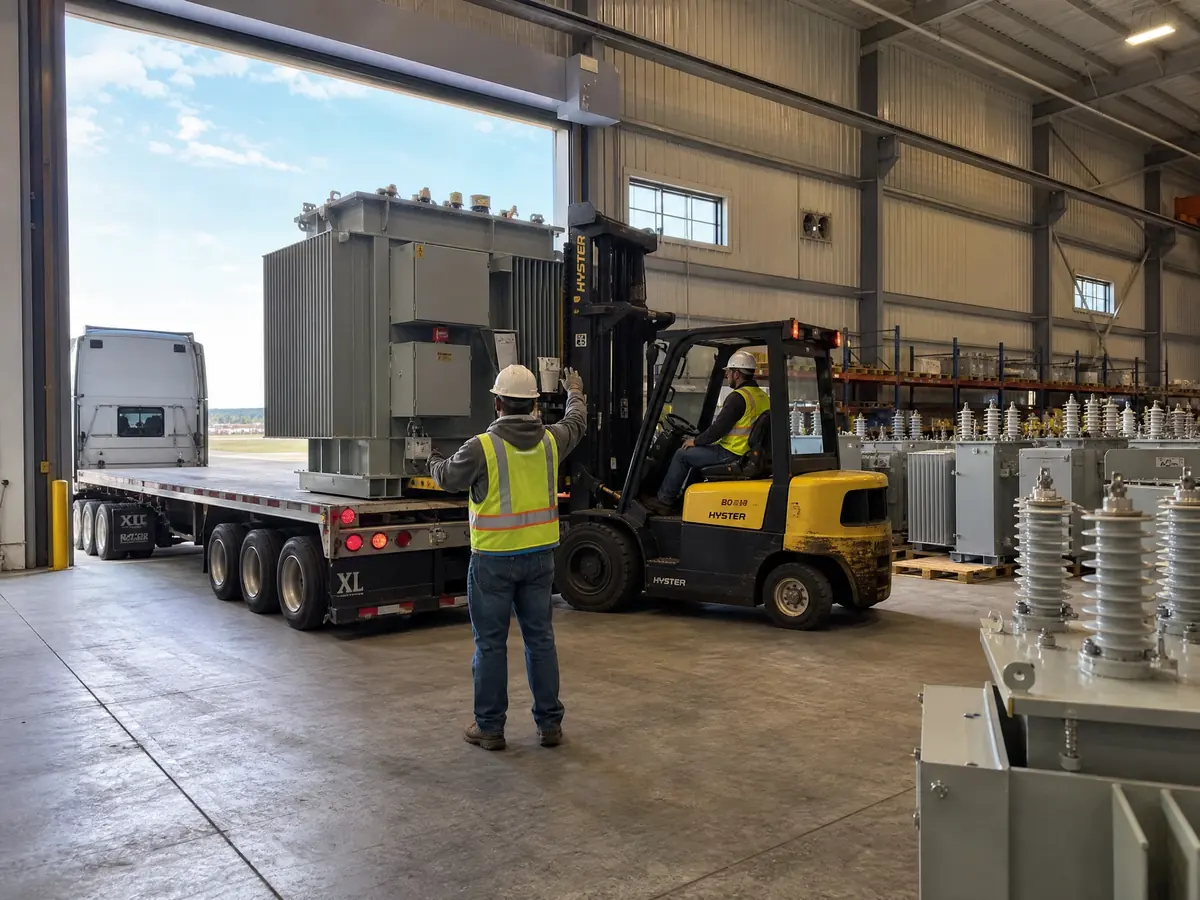
When a facility upgrade, demolition project, or data center decommissioning leaves you with surplus electrical infrastructure, determining the market value of those assets is a critical first step. Industrial electrical equipment—ranging from heavy-duty transformers and switchgear to circuit breakers and motor control centers—represents a significant capital investment. However, its resale value is rarely a simple calculation based on original purchase price or straight-line depreciation. Instead, the secondary market evaluates these assets based on specifications, condition, and immediate industry demand.
For contractors, plant managers, and asset recovery teams, understanding how surplus equipment is appraised can help maximize project returns. Industrial Electrical Surplus buys transformers, switchgear, circuit breakers, panels, MCCs, and cable nationwide. By evaluating key valuation factors—identity, condition, completeness, age, quantity, logistics, and current demand—sellers can better anticipate the worth of their inventory. We require only photos and nameplate details to provide an offer, and having a foundational knowledge of these appraisal criteria ensures a transparent and efficient transaction. If you have surplus equipment to sell, call us at (951) 903-9804.
Key Equipment Valuation Categories
| Transformers | Dry-type, oil-filled, padmount, and substation units |
|---|---|
| Switchgear | Low and medium voltage lineups and components |
| Circuit Breakers | Molded case, insulated case, and air circuit breakers |
| Motor Control Centers | Complete MCC buckets and structural sections |
| Industrial Cable | Copper and aluminum insulated wiring and spools |
How Do Specifications and Identity Impact Value?
The most fundamental driver of surplus equipment value is its exact identity and technical specification. In the industrial electrical sector, a difference in voltage rating, amperage capacity, or enclosure type can alter an asset's marketability. Buyers rely on the manufacturer's nameplate, which provides the essential details of the equipment. A complete nameplate photograph allows buyers to verify the catalog number, kVA rating, phase, frequency, and specific configuration.
Equipment designed for common, standardized applications generally retains stronger liquidity in the secondary market compared to highly customized or niche machinery. Standard distribution transformers or widely used molded case circuit breakers are frequently in demand across various industries. When you submit photos and nameplate details to Industrial Electrical Surplus, we review these specifications against our nationwide procurement needs to determine an offer.
Why Do Condition and Completeness Matter?
An asset's physical and operational condition is a primary variable in any valuation. Equipment that has been stored indoors in a climate-controlled environment will generally command a higher price than identical units left exposed to the elements. Assessors look for signs of corrosion, water damage, arc flashes, or missing components. Even if a piece of equipment is non-operational, it may still hold value for its internal components or copper content, but a ready-to-refurbish unit is typically preferred.
Completeness is equally crucial. A switchgear lineup missing its main breakers or a transformer stripped of its cooling fans requires additional investment to become viable again. When preparing to sell, ensure that all associated parts, hardware, and original accessories are documented and kept together. Providing comprehensive photos that highlight both the overall condition and the integrity of the internal components helps secure a more accurate valuation.
How Do Age and Series Support Influence Appraisal?
While it might seem logical that newer equipment is more valuable, the industrial electrical market operates with unique nuances. The age of a unit must be evaluated in the context of manufacturer series support. Many facilities rely on legacy systems and require exact replacement parts to maintain operations without undergoing a complete infrastructure overhaul. Consequently, certain older, discontinued series of circuit breakers or MCC buckets can carry value because they are essential for maintaining existing plant operations.
Conversely, if an older product line has been entirely phased out and its components are no longer sought after for maintenance, its value may default to its raw material recovery potential. Understanding whether your surplus inventory belongs to a sought-after legacy series or a modern, actively supported product line is a factor in its appraisal.
What Role Do Quantity and Logistics Play?
The volume of equipment being sold and the logistical complexity of removing it directly impact the net valuation. Selling a large, uniform batch of surplus assets can sometimes yield a better overall return than attempting to offload single items piecemeal, due to economies of scale in transportation and processing. A comprehensive inventory allows buyers to consolidate freight costs and streamline the acquisition process.
Logistics represent a significant cost center in the secondary market. Heavy industrial equipment like substation transformers or multi-section switchgear requires specialized rigging, crane services, and heavy-haul freight. Industrial Electrical Surplus manages and covers these logistical challenges, arranging all necessary freight and rigging nationwide. Because we handle the extraction and transportation, sellers are relieved of these overhead costs, which is factored into the valuation.
How Does Current Market Demand Dictate Pricing?
The final piece of the valuation puzzle is the macroeconomic demand for specific electrical infrastructure. Supply chain disruptions, surges in data center construction, and regional infrastructure upgrades can create spikes in demand for certain asset classes. For example, a shortage of new padmount transformers can drive up the secondary market value of surplus units as contractors seek immediate solutions to avoid project delays.
Market demand is fluid, meaning the value of surplus equipment can fluctuate based on broader industry trends. By partnering with a national buyer, sellers tap into a broad network that understands these demand cycles. Industrial Electrical Surplus issues payment before pickup, ensuring that once an offer is agreed upon, your transaction is secured.
Ready to sell? Get your offer today.
Send photos and nameplate details — we respond with a firm offer, typically within 24 hours. Freight and rigging arranged nationwide, payment before pickup.
Frequently Asked Questions
- What information is needed to get an accurate valuation?
- The most important information is clear photographs of the equipment and its manufacturer nameplate. The nameplate provides the catalog number, voltage, amperage, and other critical specifications needed to determine its market value.
- Do I need to arrange transportation for heavy equipment?
- No. Industrial Electrical Surplus arranges and covers the cost of all freight and specialized rigging required to remove the equipment from your facility nationwide.
- When do I receive payment for my surplus electrical equipment?
- We issue payment before the equipment is picked up from your location.
- Can you buy older or discontinued electrical components?
- Yes, we purchase a wide variety of equipment, including legacy and discontinued series that are often valued for maintaining existing industrial infrastructure.