Seller Guide
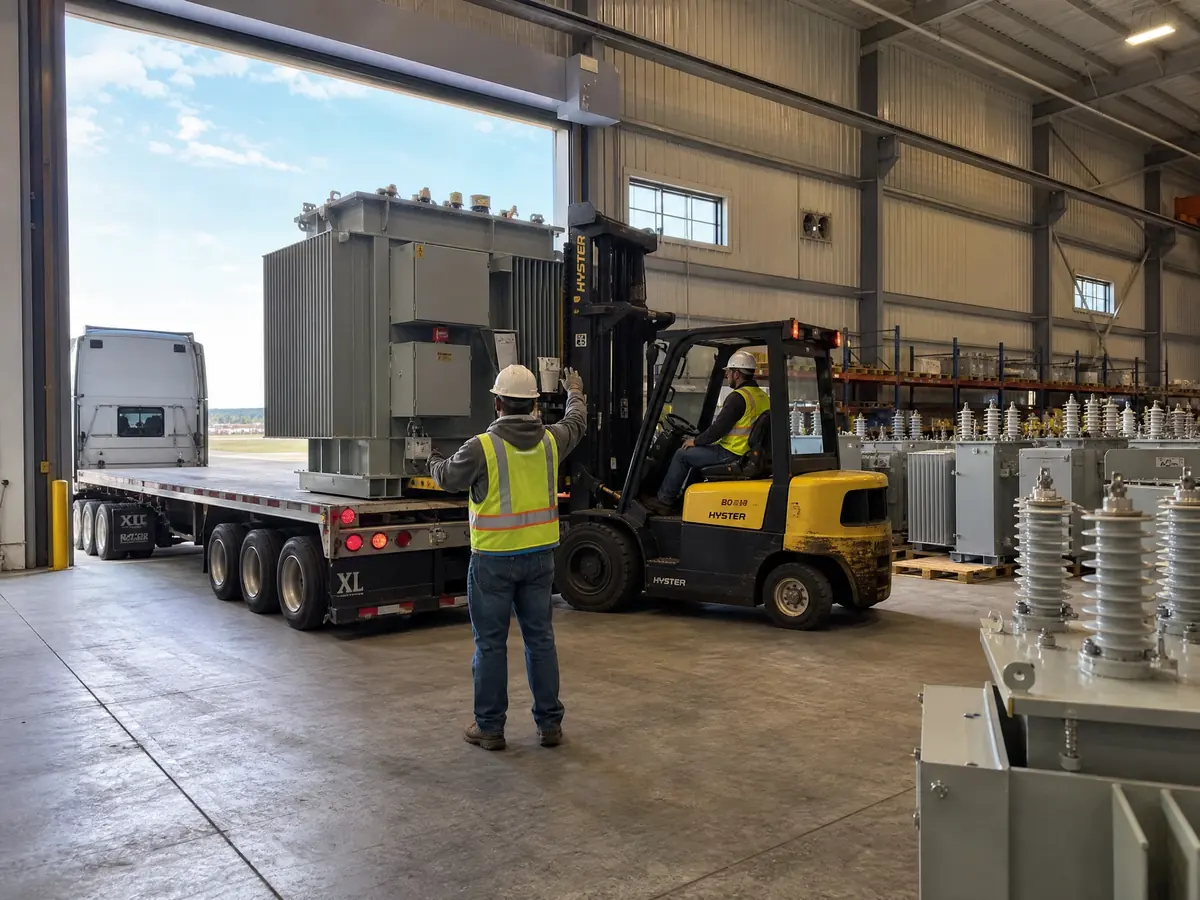
Who Buys Used Electrical Equipment? A Seller's Guide to the Five Buyer Types
Compare direct electrical equipment buyers, dealers, brokers, auctions, and scrap processors before choosing where to sell your industrial surplus.
Read guideIn-depth guides on selling surplus electrical equipment: what gear is worth, who buys it, how pricing works, and how to avoid losing reusable equipment value to an uninformed disposal decision.
Most people sell industrial electrical surplus only occasionally. These practical guides explain what buyers need before they can quote, which specifications affect demand, how freight and rigging change net proceeds, and when reuse should be evaluated before material is scrapped.
Seller Guide
Compare direct electrical equipment buyers, dealers, brokers, auctions, and scrap processors before choosing where to sell your industrial surplus.
Read guideSeller Guide
Learn the seven factors that shape used electrical equipment value, from nameplate specifications and condition to completeness, demand, and logistics.
Read guide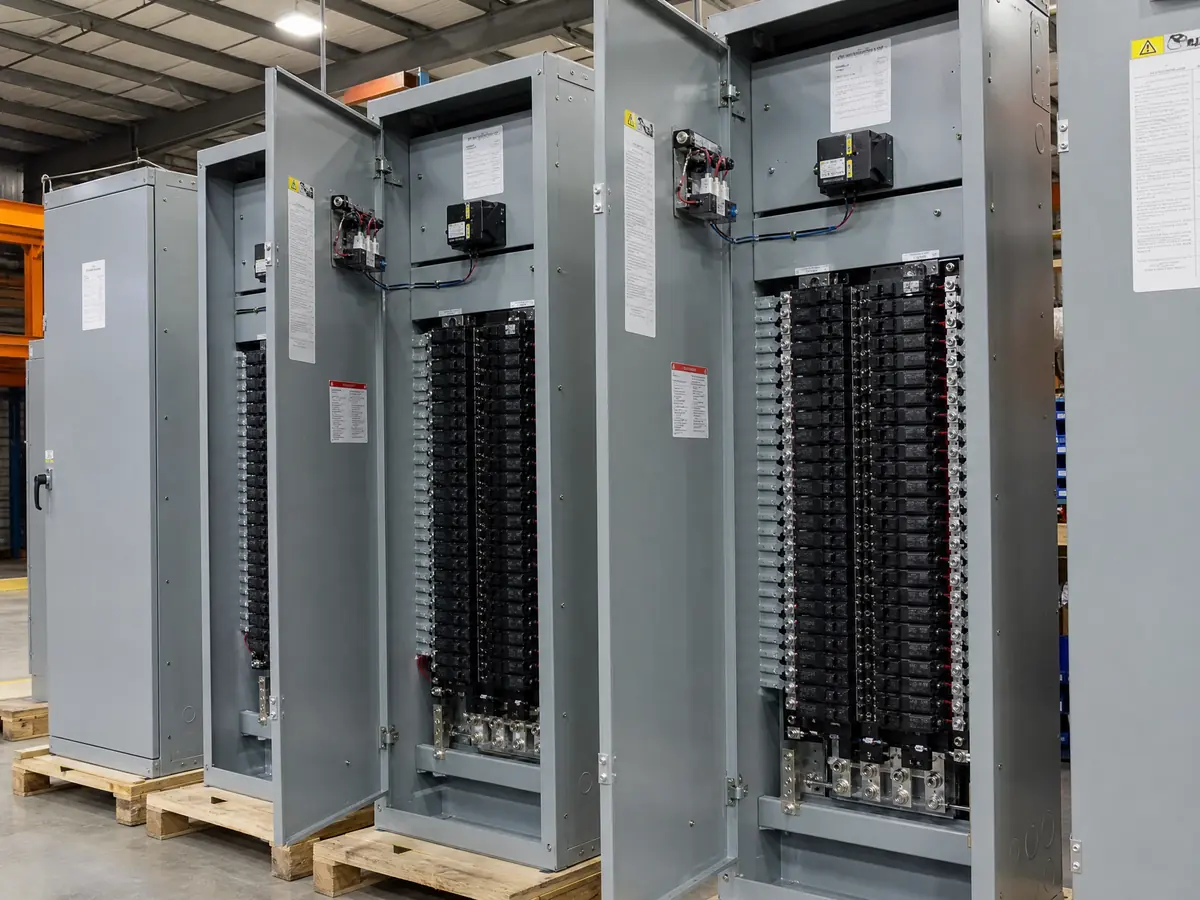
Seller Guide
Document and sell surplus panelboards and switchboards correctly. See which mains, branch breakers, bus details, labels, photos, and conditions affect value.
Read guide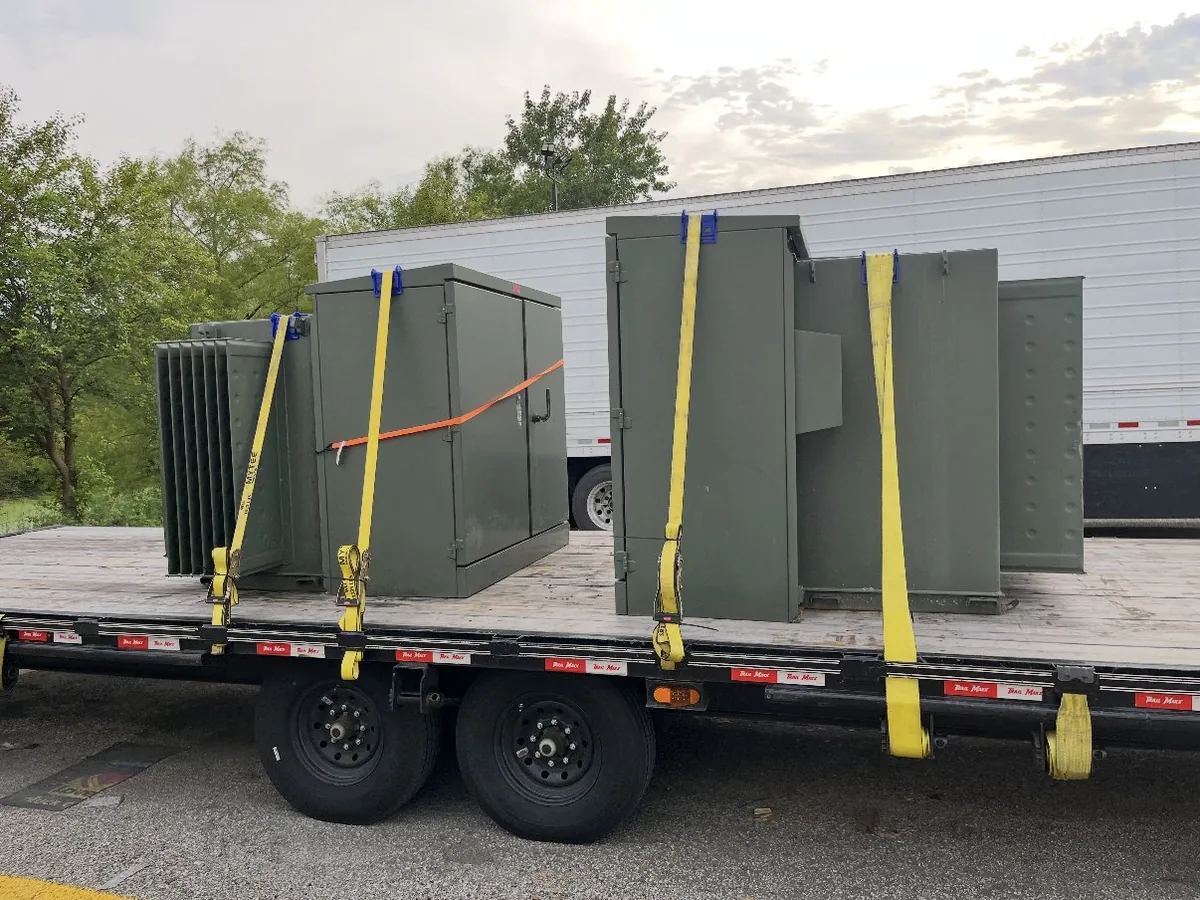
Seller Guide
Compare direct transformer buyers, brokers, auctions, local resale, and scrap based on net proceeds, timing, testing, rigging, freight, and transaction risk.
Read guide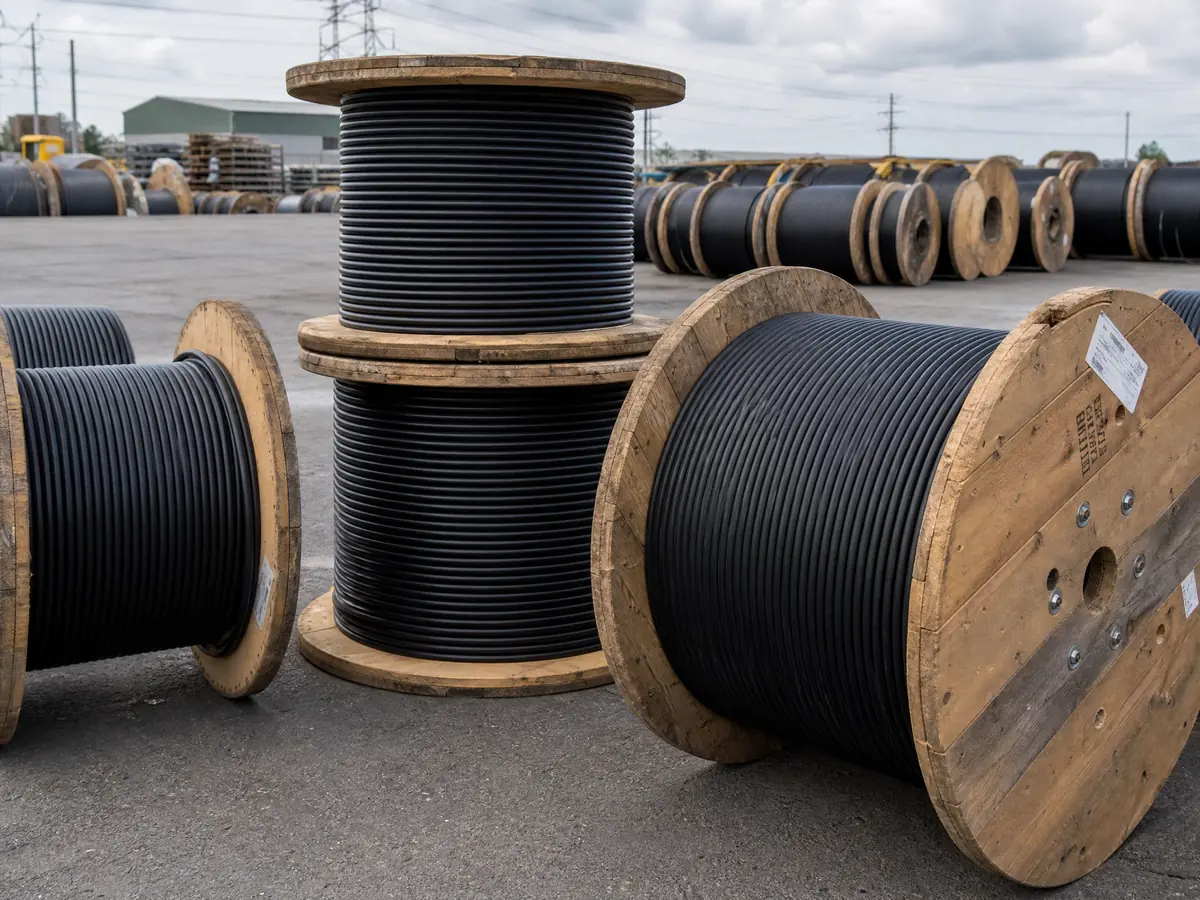
Seller Guide
See how electrical cable buyers evaluate full reels, partial reels, and cut lengths using conductor, size, insulation, voltage, verified length, and condition.
Read guide
Seller Guide
Plan a plant or facility electrical decommissioning to preserve transformer, switchgear, breaker, MCC, panel, and cable value before demolition begins.
Read guide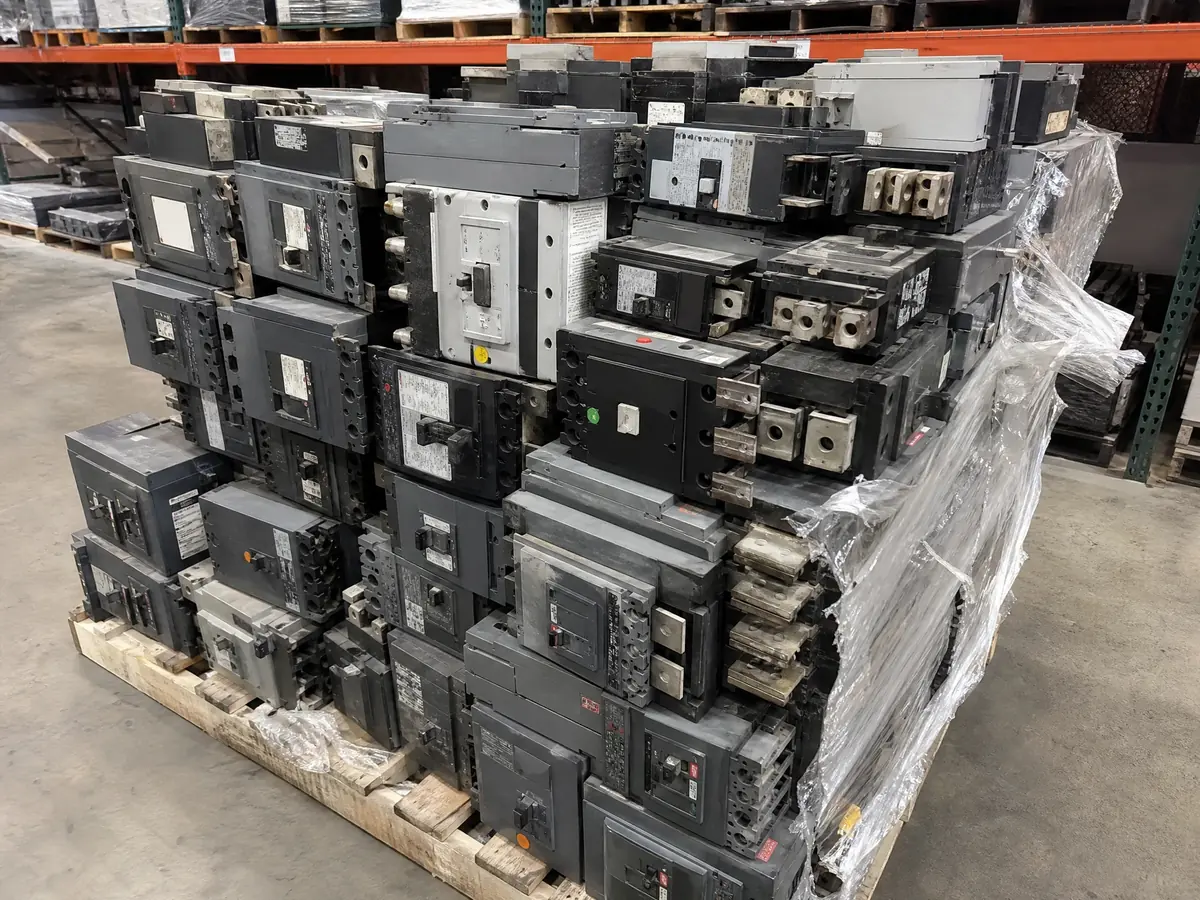
Seller Guide
Learn which breaker families, frames, amp ratings, trip units, interrupting ratings, drawout cradles, accessories, conditions, and quantities affect resale.
Read guide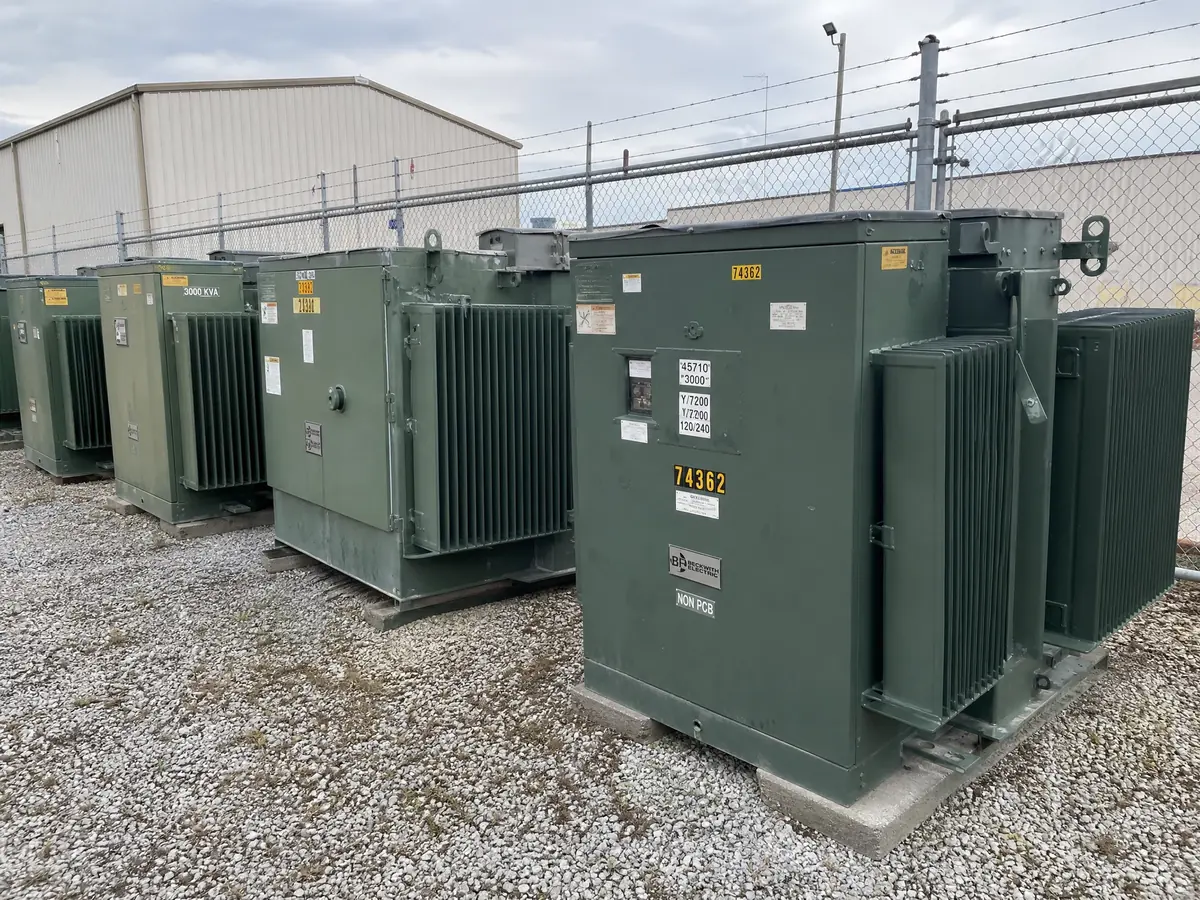
Seller Guide
Understand when industrial electrical equipment has reuse value beyond its metal weight—and when condition, incompleteness, or demand makes scrap rational.
Read guideSeller Guide
Turn project overruns, change-order material, cancelled-scope equipment, and warehouse deadstock into cash with a documented inventory and pickup process.
Read guideSend photos and nameplate details — we respond with a firm offer, typically within 24 hours. Freight and rigging arranged nationwide, payment before pickup.