Who Buys Used Electrical Equipment? A Seller's Guide to the Five Buyer Types
Compare direct electrical equipment buyers, dealers, brokers, auctions, and scrap processors before choosing where to sell your industrial surplus.
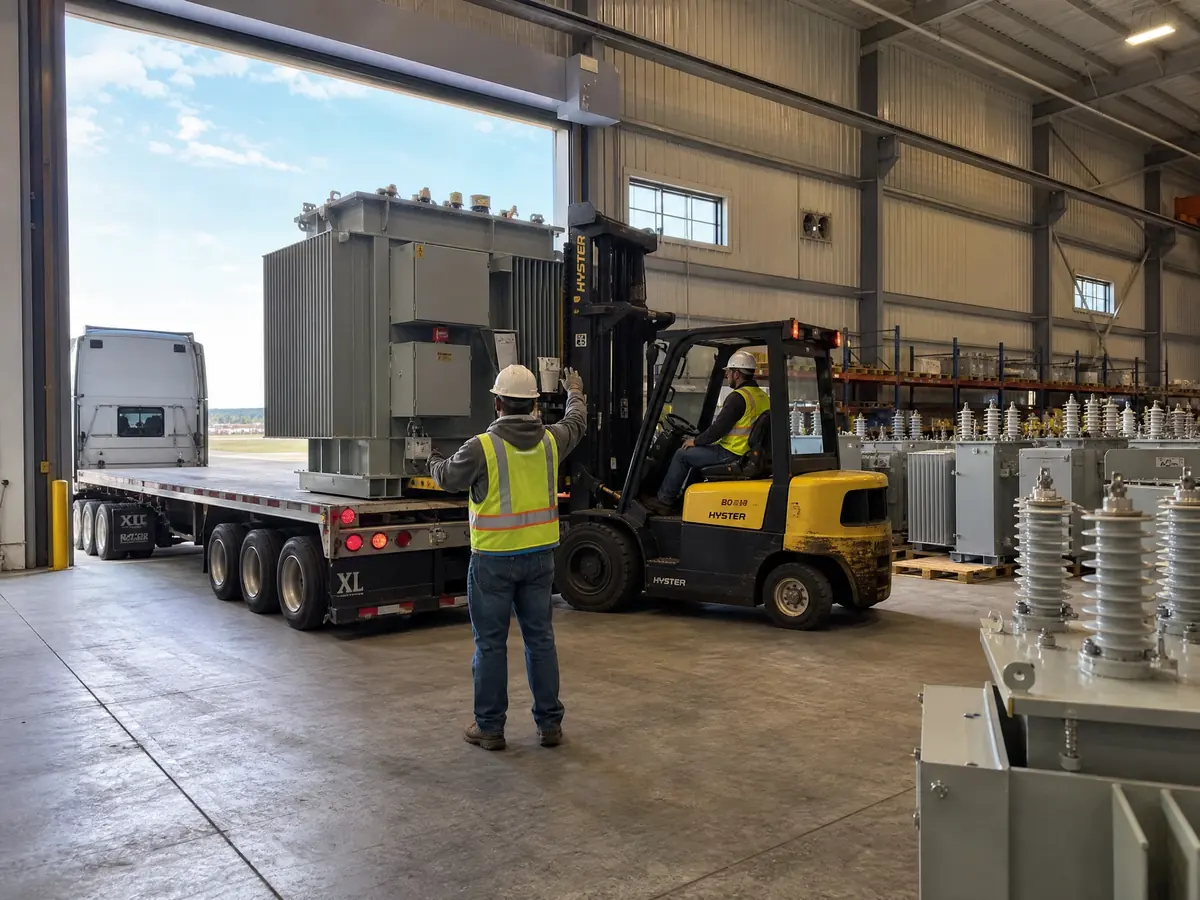
When a facility upgrade, demolition project, or plant closure leaves you with surplus industrial electrical equipment, finding the right buyer is critical to maximizing your return and clearing your site efficiently. The secondary market for industrial electrical assets is diverse, populated by entities ranging from specialized direct buyers to general scrap processors. Understanding who buys used electrical equipment allows contractors, plant managers, data-center teams, and asset managers to make informed decisions that align with their project timelines, financial goals, and logistical capabilities. Navigating this market requires a clear comprehension of the different buyer profiles and what they offer in terms of valuation, convenience, and risk mitigation.
This guide explores the five primary types of buyers in the used electrical equipment market: direct equipment buyers, dealers, brokers, auction houses, and scrap processors. Each category operates with distinct business models, diligence requirements, and net proceed structures. By comparing these options, sellers can identify the most advantageous route for their specific inventory, whether it involves massive high-voltage transformers, complex switchgear assemblies, circuit breakers, motor control centers (MCCs), or bulk industrial cable. Selecting the appropriate buyer not only impacts the final payout but also determines who handles the heavy lifting, freight coordination, and upfront capital.
How Do Direct Equipment Buyers Operate?
Direct equipment buyers are specialized companies that purchase surplus electrical assets outright for their own inventory, with the intention of refurbishing and reselling them to end-users. These buyers represent one of the most efficient and reliable avenues for selling used industrial electrical equipment. Because they are purchasing for their own stock, direct buyers are motivated to acquire quality assets and typically have the capital readily available to complete transactions swiftly. For sellers, this means a straightforward process with minimal delays and a high degree of certainty.
Working with a direct buyer like Industrial Electrical Surplus involves a streamlined diligence process. Industrial Electrical Surplus buys transformers, switchgear, circuit breakers, panels, MCCs, and cable nationwide. Sellers send photos and nameplate details. Based on this data, the buyer can quickly assess the value and present a firm offer. A significant advantage of this route is the handling of logistics; the company arranges freight/rigging. Furthermore, payment is issued before pickup, providing sellers with immediate financial returns.
What Role Do Electrical Equipment Dealers Play?
Electrical equipment dealers function similarly to direct buyers but often operate on a broader scale, sometimes acting as intermediaries who supply other businesses, contractors, or smaller regional sellers. Dealers maintain extensive networks and large facilities to house a wide variety of components, from panels and MCCs to specialized industrial cable. They are well-versed in market demands and can often purchase large, mixed lots of equipment that might be too diverse for a highly specialized niche buyer. This makes them a strong option for facility managers clearing out an entire plant.
The valuation provided by dealers is based on current market trends and their existing inventory levels. While they offer competitive prices, sellers should be aware that dealers factor in their own holding costs and refurbishment expenses. The transaction process is generally professional and efficient, though the specific terms regarding freight and logistics can vary from one dealer to another. It is essential for sellers to clarify who is responsible for the transportation and loading of heavy assets, as these costs can significantly impact the net proceeds.
Are Equipment Brokers the Right Choice for Your Assets?
Unlike direct buyers or dealers, equipment brokers do not purchase surplus assets for their own inventory. Instead, they act as matchmakers, leveraging their industry contacts to find a buyer for your equipment in exchange for a commission or a markup. Brokers can be particularly useful when dealing with highly specialized, rare, or exceptionally high-value equipment that might have a limited pool of potential buyers. They handle the marketing and negotiation, allowing the seller to focus on their core operations.
However, utilizing a broker introduces certain risks and potential delays. Because the broker does not hold the capital to buy the equipment outright, the sale is dependent on finding a willing third-party buyer. This means the equipment must remain on the seller's site until a transaction is finalized, which may not be feasible for projects with strict timelines. Additionally, the seller's net proceeds will be reduced by the broker's fees, and the responsibility for coordinating freight often remains a point of negotiation.
When Should You Consider Industrial Auction Houses?
Industrial auction houses provide a platform to sell surplus electrical equipment to the highest bidder, either through live events or online portals. Auctions are frequently utilized during complete plant liquidations, bankruptcies, or major corporate restructuring events where a massive volume of varied assets must be sold within a specific timeframe. The competitive bidding environment can sometimes drive prices up, particularly for sought-after items like late-model transformers or comprehensive switchgear lineups. Auctions offer a definitive timeline for the sale.
Despite the potential for high returns on select items, auctions carry inherent uncertainties. The final sale price depends on the buyer turnout and interest on the day of the auction. Sellers must also account for auctioneer commissions, listing fees, and potential marketing costs, which can dilute the net proceeds. Furthermore, the seller is often responsible for the logistics of moving the equipment to the auction site or managing the complex process of allowing numerous winning bidders onto their property.
Is Selling to Scrap Processors a Viable Option?
Scrap processors represent the final tier in the used electrical equipment market, focusing on the raw material value of the assets rather than their functional utility. Buyers in this category are interested in the copper, aluminum, and steel contained within transformers, motors, and industrial cable. Selling to a scrap processor is typically reserved for equipment that is severely damaged, obsolete, or completely beyond repair. It provides a return based on the current commodity prices of the underlying metals.
While scrapping is the easiest and fastest way to dispose of end-of-life electrical equipment, it generally yields the lowest net proceeds compared to selling the assets for reuse. Sellers should resort to scrap processors when the equipment has been definitively assessed as having no secondary market value. Even then, it is crucial to compare the scrap value against the potential returns from a direct buyer who might be willing to purchase the equipment for parts or remanufacturing.
How to Maximize Your Net Proceeds and Ensure a Smooth Sale?
To maximize net proceeds and ensure a seamless transaction, sellers must carefully evaluate their specific needs against the capabilities of the five buyer types. For most contractors, utilities, and facility managers, partnering with a direct buyer offers a balance of competitive pricing, speed, and logistical support. When preparing to sell, compiling comprehensive information is the most critical step. Sellers should gather high-resolution photos, complete nameplate data, and any available maintenance records for their transformers, breakers, panels, and MCCs.
Choosing a direct buyer can reduce some of the secondary market's logistical complexity. Industrial Electrical Surplus purchases nationwide, arranges freight and rigging, and issues payment before pickup. Accurate photos, nameplate details, quantities, condition notes, and loading information help the company evaluate the equipment and quote the transaction on a clear scope. Sellers can call (951) 903-9804 to discuss transformers, switchgear, breakers, panels, MCCs, or cable.
Ready to sell? Get your offer today.
Send photos and nameplate details — we respond with a firm offer, typically within 24 hours. Freight and rigging arranged nationwide, payment before pickup.
Frequently Asked Questions
- What information do buyers need to evaluate used electrical equipment?
- Buyers typically require clear photographs of the equipment, detailed images of the manufacturer's nameplate, and a description of the item's current condition. The nameplate provides essential specifications such as voltage, amperage, kVA ratings, and phase, which are necessary to determine the equipment's market value.
- Who is responsible for the freight and rigging of heavy electrical assets?
- Responsibility for logistics varies by buyer type. Reputable direct buyers like Industrial Electrical Surplus typically arrange and cover the costs of freight and specialized rigging. When dealing with brokers or auctions, these responsibilities and costs often fall on the seller or become a point of negotiation.
- When do sellers receive payment for their surplus equipment?
- Payment terms depend on the buyer. Direct buyers generally issue payment before the equipment is picked up from the seller's location. In contrast, brokers and auction houses pay after the final transaction is completed with the end-user, which can cause delays.
- What types of surplus electrical equipment are in highest demand?
- There is strong secondary market demand for industrial transformers, switchgear, circuit breakers, motor control centers (MCCs), panels, and bulk industrial cable. Equipment that is relatively modern, well-maintained, and from reputable manufacturers typically commands a high resale value.