Scrap Price vs Equipment Value: Why Selling by the Pound Costs You Money
Understand when industrial electrical equipment has reuse value beyond its metal weight—and when condition, incompleteness, or demand makes scrap rational.
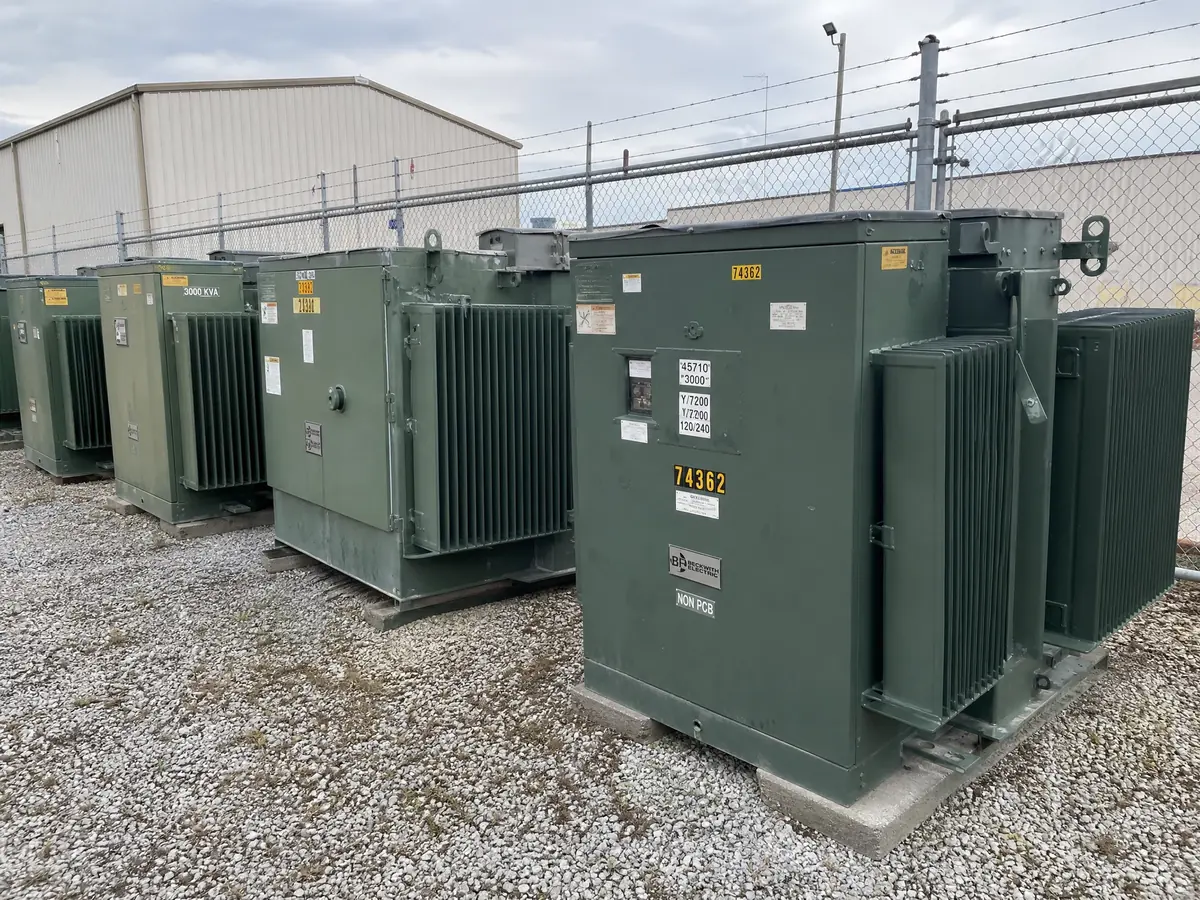
When contractors or plant managers pull surplus electrical equipment from a facility, the default option is often to haul it to the local scrap yard. While this provides an immediate avenue for disposal, selling heavy electrical assets like transformers, switchgear, and motor control centers by their raw material weight usually leaves significant money on the table. Scrap yards value equipment based solely on the recoverable copper, aluminum, and steel inside, ignoring the engineering, manufacturing, and functional utility of the unit. For intact, reusable equipment, the secondary market often places a much higher premium on the asset as a complete, functioning system. Understanding the difference between commodity recovery and reuse value is essential for asset managers looking to maximize their return on investment during decommissioning or facility upgrades.
The decision to scrap versus sell to a specialized equipment buyer comes down to understanding what drives demand in the secondary market. Industrial Electrical Surplus buys transformers, switchgear, circuit breakers, panels, MCCs, and cable nationwide. Factors such as the unit's age, voltage specifications, enclosure type, and overall condition play a critical role in determining its resale value. By evaluating the equipment's potential for refurbishment and redeployment, sellers can often secure better returns while avoiding the labor and logistical headaches of tearing down units for scrap. This guide explores the key differences between scrap pricing and equipment valuation, helping contractors and facility operators make informed decisions about their surplus electrical assets.
Why Is There Such a Gap Between Scrap Value and Resale Value?
The fundamental difference between scrap and resale value lies in how the asset is evaluated. Scrap pricing is driven by global commodity markets, specifically the current spot prices for copper, aluminum, and steel. When you sell a transformer or switchgear lineup to a scrap yard, the buyer calculates the estimated weight of these metals minus the labor required to tear down the unit and dispose of non-recyclable components like insulation and housing. This tear-down process is labor-intensive, which significantly depresses the price you receive per pound. The functional capability of the equipment is completely disregarded in this transaction.
In contrast, equipment buyers evaluate surplus assets based on their utility and market demand. A late-model transformer or a high-capacity circuit breaker has inherent value because another facility may need that exact specification to maintain operations. When Industrial Electrical Surplus evaluates a piece of equipment, the focus is on its potential for reuse. The engineering, intact copper windings, specialized enclosures, and operational integrity all contribute to a valuation that typically exceeds the raw material breakdown. By selling the unit whole, you capitalize on its functional design rather than settling for its metal content.
How Do Specifications and Completeness Affect Equipment Valuation?
The specific technical characteristics of electrical equipment heavily influence its value on the secondary market. Voltage ratings, kVA or amperage capacity, phase, and enclosure types dictate where and how a unit can be redeployed. For example, a pad-mount transformer with highly sought-after primary and secondary voltages will command a strong price because it can be quickly integrated into a new commercial development. Conversely, equipment with highly specialized specifications may have a smaller pool of potential buyers, though it can still hold significant value for facilities needing exact replacement parts without upgrading their entire infrastructure.
Completeness is equally critical when determining whether a piece of equipment should be resold or scrapped. A switchgear lineup that retains its original breakers, bussing, and protective relays is far more valuable than a gutted enclosure. Missing components require the buyer to source replacements, adding cost and time to the refurbishment process. When sellers provide clear photos and detailed nameplate information, buyers can accurately assess the configuration of the asset. Industrial Electrical Surplus relies on these details to provide accurate offers, ensuring sellers receive compensation reflecting the operational potential of complete systems.
What Role Do Testing and Reconditioning Play in Pricing?
The journey from surplus asset to redeployed equipment involves rigorous testing and reconditioning, which factors into the purchase price. Before a used transformer or circuit breaker can be safely installed in a new facility, it must undergo electrical testing to verify insulation integrity, contact resistance, and overall performance. Buyers of surplus equipment assume the risk and expense of this testing process. The initial valuation accounts for the anticipated costs of cleaning, testing, repairing, and recertifying the equipment to meet industry standards before it can be returned to service.
Despite these reconditioning costs, the net return to the seller is generally higher when selling to a specialized buyer rather than a scrap yard. The ability to refurbish the equipment adds significant value in the retail market, allowing companies like Industrial Electrical Surplus to offer competitive purchase prices for the raw surplus. Furthermore, by handling the logistics of freight and rigging, specialized buyers remove the handling costs that sellers would otherwise incur when transporting heavy equipment to a recycling facility. The result is a streamlined transaction where the seller benefits from the equipment's potential without bearing the burden of testing.
When Does It Make Sense to Choose the Scrap Yard Over an Equipment Buyer?
Selling surplus equipment for reuse can preserve value that a weight-based scrap quote ignores, but there are specific scenarios where scrapping is the rational choice. Equipment that has suffered catastrophic failure, severe water damage, or extensive fire exposure may be beyond economical repair. In these cases, the internal components can be compromised and the unit may not be a practical reconditioning candidate. Similarly, if a piece of equipment has been heavily cannibalized for parts, leaving only the steel enclosure and a fraction of the original conductors or components, much of its functional value is gone. When realistic rebuilding and handling costs exceed expected market value, commodity recovery becomes the viable option.
Another factor is extreme obsolescence combined with a lack of market demand. Some legacy equipment from defunct manufacturers with no interchangeable parts may sit in inventory indefinitely. If an asset has no practical application in modern facilities and no demand as a source for replacement parts, its only remaining value is its metal content. However, before making the irreversible decision to scrap, it is advisable to consult with a specialized buyer by sending photos and nameplate details to determine if the equipment has hidden value in a niche market.
How Can Demolition and Asset Management Teams Maximize Their Returns?
For demolition firms, contractors, and asset managers, maximizing the return on surplus electrical equipment requires a strategic approach to decommissioning. The most important step is to protect the equipment during removal. Rough handling, cutting cables too close to the enclosures, or exposing internal components to the elements can quickly downgrade a valuable asset to scrap status. Careful extraction preserves the integrity of transformers, switchgear, and breakers, ensuring they remain viable for the secondary market. Keeping related components together also maintains the completeness that buyers look for.
Partnering with a nationwide buyer streamlines the disposition process. Industrial Electrical Surplus makes it easy for sellers to monetize their assets by offering a straightforward evaluation process based on photos and nameplate data. Once an agreement is reached, payment is issued before pickup. The company also arranges the necessary freight and rigging. By prioritizing resale over scrap, facility teams can turn their surplus infrastructure into a significant revenue stream. To start the evaluation process, sellers can call (951) 903-9804.
Ready to sell? Get your offer today.
Send photos and nameplate details — we respond with a firm offer, typically within 24 hours. Freight and rigging arranged nationwide, payment before pickup.
Frequently Asked Questions
- What information is needed to get a valuation for surplus electrical equipment?
- To provide an accurate offer, buyers typically need clear photographs of the equipment, including wide shots showing its overall condition and close-ups of the manufacturer's nameplate. The nameplate contains critical data such as the voltage, amperage, kVA rating, phase, and serial number, which are essential for determining the unit's market value and potential for reuse.
- Do I need to arrange transportation for heavy transformers and switchgear?
- No, you do not need to handle the logistics. Industrial Electrical Surplus arranges freight and rigging required to move the equipment from your facility.
- When do I receive payment for the surplus equipment I sell?
- Payment is issued to the seller before the equipment is picked up from the site.
- Does it matter if the equipment is old or disconnected from service?
- Age and operational status are factors, but older or disconnected equipment can still hold significant value. Many facilities rely on legacy systems and require older models for direct replacements or spare parts. Even if a unit has been out of service, its specifications and completeness often make it a strong candidate for reconditioning and resale.