Selling Contractor Surplus: Turning Job-Site Overruns Into Cash
Turn project overruns, change-order material, cancelled-scope equipment, and warehouse deadstock into cash with a documented inventory and pickup process.
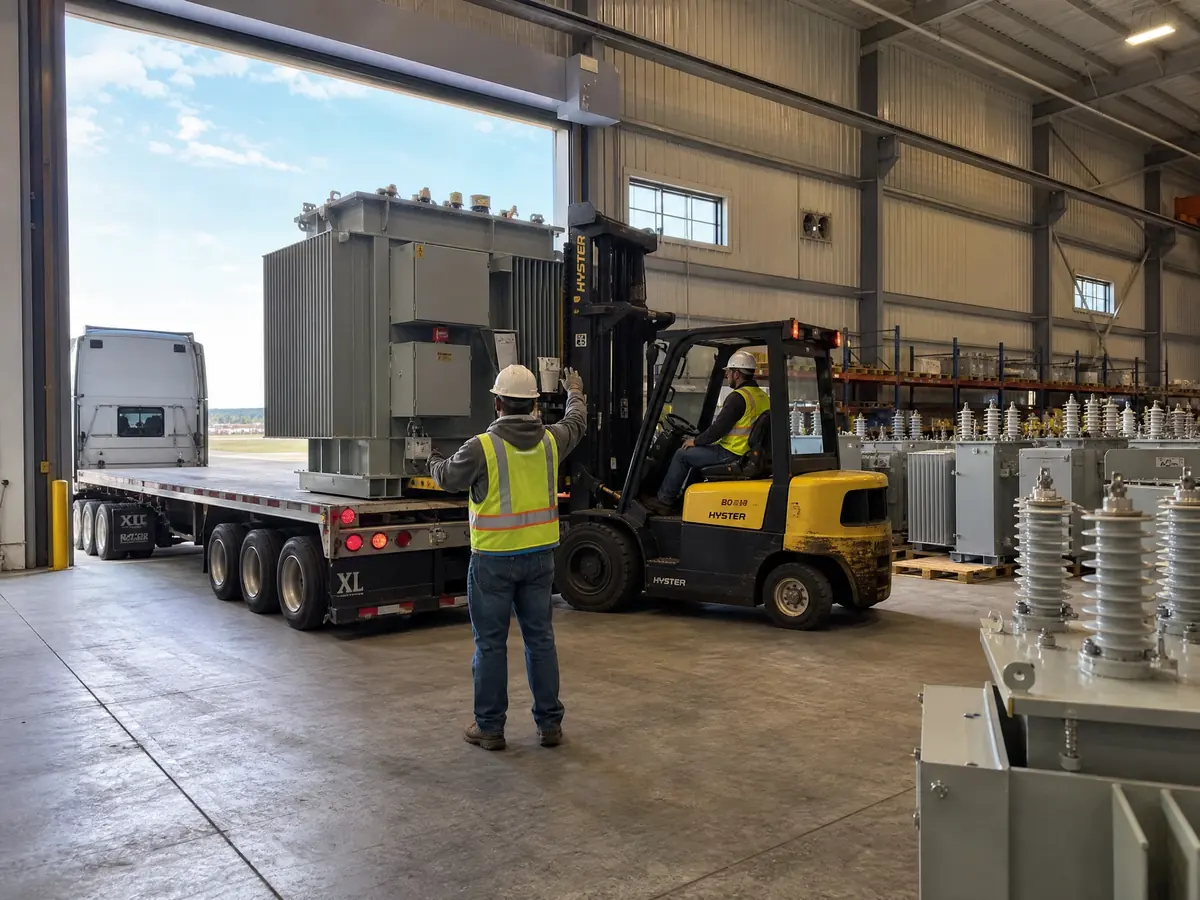
Electrical contractors and project managers frequently face the challenge of dealing with surplus materials at the conclusion of large-scale commercial or industrial builds. Project overruns, sudden change orders, cancelled scopes, and inevitable deadstock can quickly turn valuable staging areas into cluttered storage liabilities. Instead of allowing perfectly functional transformers, switchgear, circuit breakers, and extensive cable runs to gather dust or incur warehousing costs, contractors have a practical avenue to recover capital. Selling these assets directly to an established industrial buyer transforms stranded inventory back into working capital, improving project margins and clearing valuable facility space.
The process of liquidating contractor surplus requires careful attention to inventory documentation, lotting strategies, and ownership verification to ensure a smooth transaction. Industrial Electrical Surplus buys transformers, switchgear, circuit breakers, panels, MCCs, and cable nationwide. By streamlining the evaluation process through photo and nameplate submissions, and handling the complex logistics of freight and rigging, contractors are relieved of the burden of moving heavy machinery. Payment is issued before pickup. Understanding how to properly identify, document, and prepare surplus electrical material for sale is the first step in maximizing the return on job-site overruns and maintaining an efficient, profitable operation.
What Causes Job-Site Overruns and Surplus Material?
In the dynamic environment of industrial construction and facility upgrades, generating surplus electrical material is a common occurrence. One of the primary drivers is the sheer scale of modern projects, where bulk ordering is necessary to secure favorable pricing and ensure materials are on hand to prevent costly delays. When project scopes change mid-stream—often due to engineering revisions, updated facility requirements, or unexpected site conditions—the original material orders may no longer align with the final installation plan. This leads to a significant accumulation of unused equipment, ranging from heavy-duty transformers to specialized motor control centers (MCCs).
Additionally, cancelled scopes or sudden budget reallocations can halt specific phases of a project entirely, leaving contractors with high-value assets that have nowhere to go. Deadstock also accumulates over time from multiple smaller projects, eventually taking up critical space in staging yards or contractor warehouses. Recognizing these common sources of surplus is essential for developing a proactive strategy to manage inventory. Rather than viewing these materials as a sunk cost, forward-thinking contractors treat them as recoverable assets that can be liquidated to offset the initial purchasing expenses.
How Should Contractors Inventory and Document Surplus Equipment?
The foundation of a successful surplus sale lies in accurate and comprehensive documentation. When dealing with complex industrial electrical equipment, buyers require specific technical details to assess the value and compatibility of the assets. Contractors should begin by creating a detailed inventory list that categorizes equipment by type, such as circuit breakers, panels, switchgear, and cable. For each item, capturing clear, high-resolution photos of the equipment in its current state is crucial. These photos should highlight the overall condition, any visible wear, and most importantly, the manufacturer's nameplate.
The nameplate is the definitive source of information for industrial electrical components. It provides essential data points including the manufacturer, model number, voltage ratings, amperage, phase, and manufacturing date. Sellers send photos and nameplate details to facilitate the evaluation process. Furthermore, organizing the surplus into logical lots—grouping similar items or complete systems together—can make the offering more attractive. Proper documentation not only facilitates a faster valuation but also demonstrates professionalism, establishing a clear baseline for the transaction.
Why is Ownership Verification Important for Surplus Sales?
In the secondary market for industrial electrical equipment, establishing clear and undisputed ownership is a critical requirement before any transaction can proceed. Buyers must be certain that the materials being offered are legally owned by the seller and are free from any liens, claims, or encumbrances. For contractors, this means maintaining meticulous records of the original purchase orders, invoices, and project release documents. When a project concludes, especially on large commercial or municipal jobs, ensuring that the surplus material has been officially released to the contractor's custody is a vital step.
Providing documentation that traces the equipment back to its legitimate acquisition protects both the seller and the buyer. It ensures compliance with industry standards and prevents potential legal complications down the line. Industrial buyers will typically request verification of ownership as part of their standard due diligence process. By having these records readily available, contractors can avoid unnecessary delays and demonstrate their credibility. A transparent approach to ownership verification builds trust and paves the way for a smooth, efficient transfer of assets.
How Does the Lotting Process Maximize Asset Value?
Lotting is a strategic approach to grouping surplus equipment that can significantly impact the overall return on investment. Instead of attempting to sell individual components piecemeal—which can be time-consuming and logistically challenging—contractors can organize their surplus into comprehensive lots. For example, grouping a series of matching circuit breakers with their corresponding panelboards, or offering a complete motor control center alongside the associated switchgear, creates a more appealing package for industrial buyers who are often looking for integrated solutions or bulk inventory.
Effective lotting requires an understanding of how different electrical components relate to one another in practical applications. By presenting a cohesive lot, contractors reduce the administrative burden of managing multiple small transactions and make the freight and logistics process much more efficient. When submitting an inventory list, clearly defining these lots helps the evaluation team provide a more accurate and competitive offer. A well-organized lot not only highlights the utility of the equipment but also streamlines the entire purchasing process from appraisal to final pickup.
What Are the Logistics of Pickup and Freight Scheduling?
One of the most daunting aspects of liquidating heavy industrial electrical equipment is managing the physical removal and transportation. Transformers, large switchgear lineups, and heavy spools of cable require specialized handling, rigging, and freight coordination. For many contractors, diverting labor and resources to manage these logistics is not feasible. Recognizing this challenge, established buyers take on the responsibility of arranging all necessary freight and rigging services, ensuring that the equipment is safely and efficiently removed from the job site or storage facility.
The process begins with coordinating a pickup schedule that aligns with the contractor's operational timeline. Whether the equipment is located at an active construction site, a temporary staging yard, or a permanent warehouse, logistics professionals work to minimize disruption. Industrial Electrical Surplus arranges freight/rigging. Payment is issued before the pickup occurs, providing contractors with immediate financial security. Once the funds are secured, the freight teams handle the heavy lifting, utilizing the appropriate machinery and transport vehicles to move the assets nationwide. This turnkey approach allows contractors to clear their space quickly and refocus their efforts on their core construction activities.
Ready to sell? Get your offer today.
Send photos and nameplate details — we respond with a firm offer, typically within 24 hours. Freight and rigging arranged nationwide, payment before pickup.
Frequently Asked Questions
- What types of surplus electrical equipment do you purchase from contractors?
- Industrial Electrical Surplus buys transformers, switchgear, circuit breakers, panels, MCCs, and cable nationwide.
- How should I prepare my surplus inventory for an evaluation?
- Sellers send photos and nameplate details. It is especially important to provide legible photos of the manufacturer's nameplate, which contains critical specifications like voltage, amperage, and model numbers.
- Who is responsible for the freight and rigging of heavy equipment?
- The company arranges freight/rigging. We handle the complex logistics associated with moving heavy industrial equipment to safely transport the assets from your job site or facility.
- When will I receive payment for my surplus electrical material?
- Payment is issued before pickup. For more information or to start the evaluation process, you can reach us at (951) 903-9804.