Where to Sell Used Transformers: Every Option Compared
Compare direct transformer buyers, brokers, auctions, local resale, and scrap based on net proceeds, timing, testing, rigging, freight, and transaction risk.
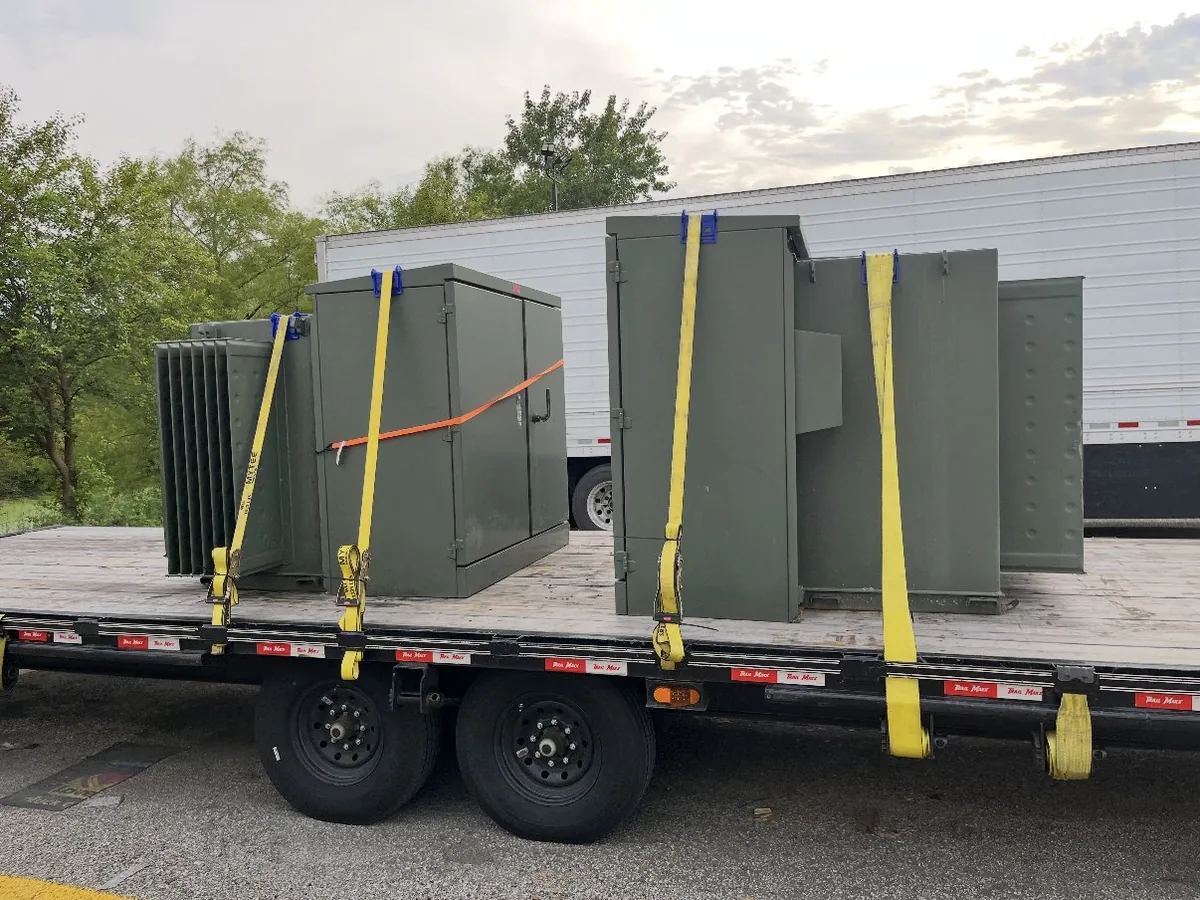
When a facility upgrade, demolition project, or plant closure leaves you with surplus electrical transformers, deciding how to dispose of them can significantly impact your project's bottom line and timeline. Transformers are heavy, specialized assets that require proper handling, rigging, and transport. Whether you are dealing with padmount, dry-type, or oil-filled units, the secondary market offers multiple avenues for liquidating these assets. However, not all selling methods provide the same balance of financial return, speed, and logistical support.
Asset managers, contractors, and facility operators generally choose between direct buyers, equipment brokers, industrial auctions, local resale markets, or scrap yards. Each route presents distinct advantages and challenges regarding net proceeds, payment speed, buyer risk, and the burden of testing and rigging. Understanding how these channels compare is crucial for making an informed decision that maximizes the value of your surplus transformers while minimizing operational disruption and liability.
Selling to a Direct Buyer
Direct buyers specialize in purchasing surplus industrial electrical equipment outright for their own inventory. This route is often a straightforward and efficient way to liquidate transformers. Because direct buyers have the capital to purchase assets immediately, they can eliminate the waiting periods associated with finding an end-user or waiting for an auction date. An advantage is speed and certainty: once an agreement is reached, the transaction moves to payment and removal.
A benefit of working with a direct buyer like Industrial Electrical Surplus is the logistical support provided. Sellers simply provide clear photographs and the nameplate details of the transformers. The buyer evaluates the equipment, offers a price, and upon acceptance, issues payment before the equipment is picked up. Furthermore, Industrial Electrical Surplus arranges freight and rigging, relieving the seller of the burden of organizing specialized heavy transport. This turnkey approach can minimize disruptions to ongoing operations.
Utilizing an Equipment Broker
Equipment brokers act as intermediaries, connecting sellers of surplus transformers with potential buyers in exchange for a commission or a markup. Brokers leverage their industry networks to find end-users who might be willing to pay near-retail prices for specific transformer models. This route can sometimes yield a higher gross sale price if the broker finds a buyer for a sought-after unit, particularly for specialized or custom-configured transformers.
However, the broker route comes with drawbacks. The process is inherently unpredictable in terms of timeline; it could take weeks or months to find a buyer, which is not ideal for facilities that need equipment removed quickly to make way for new installations or demolition. Additionally, the seller often retains ownership and liability for the equipment until the final sale is complete, and may still be responsible for coordinating testing, rigging, and freight, depending on the broker's specific services.
Liquidating Through Industrial Auctions
Industrial auctions are a common method for liquidating large quantities of assets quickly, often used during plant closures or major liquidations. Auctions create a competitive bidding environment that can occasionally drive up the price of desirable transformers. They offer a definitive sale date, which helps in planning project timelines, and they provide a clear, documented process for asset disposal.
The risk with auctions is the lack of price certainty. Equipment is typically sold 'as is, where is,' and if the right bidders are not present, transformers can sell for less than their market value. Furthermore, auction houses charge seller commissions and buyer premiums, which cut into the net proceeds. Sellers must also consider that buyers at auctions are responsible for their own rigging and freight, which can lead to delays or complications in removing the heavy transformers from the facility.
Exploring the Local Resale Market
Attempting to sell transformers on the local resale market involves listing the equipment on general classifieds or regional industrial boards. This approach allows the seller to set their asking price and deal directly with local contractors, small facilities, or independent electricians. For smaller, common dry-type transformers, this might seem like a viable option to maximize return without paying intermediary fees.
In practice, the local resale market can be inefficient for heavy industrial equipment. The pool of potential buyers is limited by geography, and local buyers may lack the specialized knowledge to evaluate large transformers or the means to safely rig and transport them. Sellers typically face a volume of inquiries, prolonged negotiation periods, and the risk of deals falling through. Moreover, the seller is responsible for managing the transaction, ensuring payment security, and overseeing the safe removal of the equipment.
The Scrap Yard Alternative
Scrapping transformers is a route typically reserved for units that are catastrophically damaged, obsolete, or beyond repair. Scrap yards pay based on the raw material weight of the copper, aluminum, and steel within the transformer. This option provides a disposal method and is sometimes chosen when the cost of testing and transporting a questionable unit outweighs its potential resale value.
However, scrapping is often considered when other avenues have been exhausted. The financial return from scrapping is a fraction of what a functional, or even repairable, transformer would yield on the secondary market. Furthermore, scrapping oil-filled transformers involves environmental compliance steps, such as draining and properly disposing of the dielectric fluid, which adds complexity and cost. Before deciding to scrap, it is advisable to have the equipment evaluated by a direct buyer, as even older units can hold value on the secondary market.
Key Factors to Consider When Choosing a Route
When evaluating these options, several critical factors must be weighed. Net proceeds are paramount; it is essential to calculate the final amount received after deducting all commissions, rigging costs, freight charges, and potential testing fees. Speed of removal is often equally important, especially when surplus equipment is occupying valuable space or delaying a larger project. The certainty of the sale and the reliability of the buyer also play a major role in minimizing project risk and ensuring a smooth transition.
Sellers must also honestly assess their own capacity to handle logistics. Managing heavy rigging and specialized freight for transformers weighing thousands of pounds requires expertise and carries significant liability. Choosing a route like a direct buyer, who manages these logistics and issues payment upfront, often provides a balanced and secure solution for industrial facilities and contractors looking to streamline their asset recovery process.
- Net Proceeds: Calculate the final return after all intermediary fees, commissions, and logistics costs.
- Speed and Certainty: Evaluate how quickly the transaction can be completed and the equipment removed from your site.
- Logistical Burden: Determine who is responsible for the complex tasks of rigging, loading, and nationwide freight.
- Payment Security: Ensure payment is received before the equipment leaves the facility.
- Liability and Risk: Understand who holds the risk during the dismantling, transport, and final transaction phases.
Ready to sell? Get your offer today.
Send photos and nameplate details — we respond with a firm offer, typically within 24 hours. Freight and rigging arranged nationwide, payment before pickup.
Frequently Asked Questions
- What information is needed to sell a used transformer?
- To get an accurate evaluation, sellers should provide clear photographs of the transformer, including the entire unit and a close-up of the manufacturer's nameplate. The nameplate contains crucial details such as kVA rating, primary and secondary voltages, phase, and impedance, which are necessary to determine the equipment's value.
- Who is responsible for the rigging and freight of heavy transformers?
- Responsibility varies by the sales channel. If you sell to a direct buyer like Industrial Electrical Surplus, the buyer arranges freight and rigging. In auctions or local sales, the buyer or seller must coordinate these logistics independently, which can be costly and complex.
- When do I receive payment for my surplus transformers?
- When working with a direct buyer, payment is issued before the equipment is picked up from your facility. This ensures a secure transaction. With brokers or auctions, payment is typically delayed until after the final sale to the end-user or the conclusion of the auction process.
- Do you buy other surplus electrical equipment besides transformers?
- Yes, Industrial Electrical Surplus buys transformers, switchgear, circuit breakers, panels, MCCs, and cable nationwide. You can contact us at (951) 903-9804 to discuss your surplus inventory.