Who Buys Used Wire and Cable Reels? How Reel Value Is Calculated
See how electrical cable buyers evaluate full reels, partial reels, and cut lengths using conductor, size, insulation, voltage, verified length, and condition.
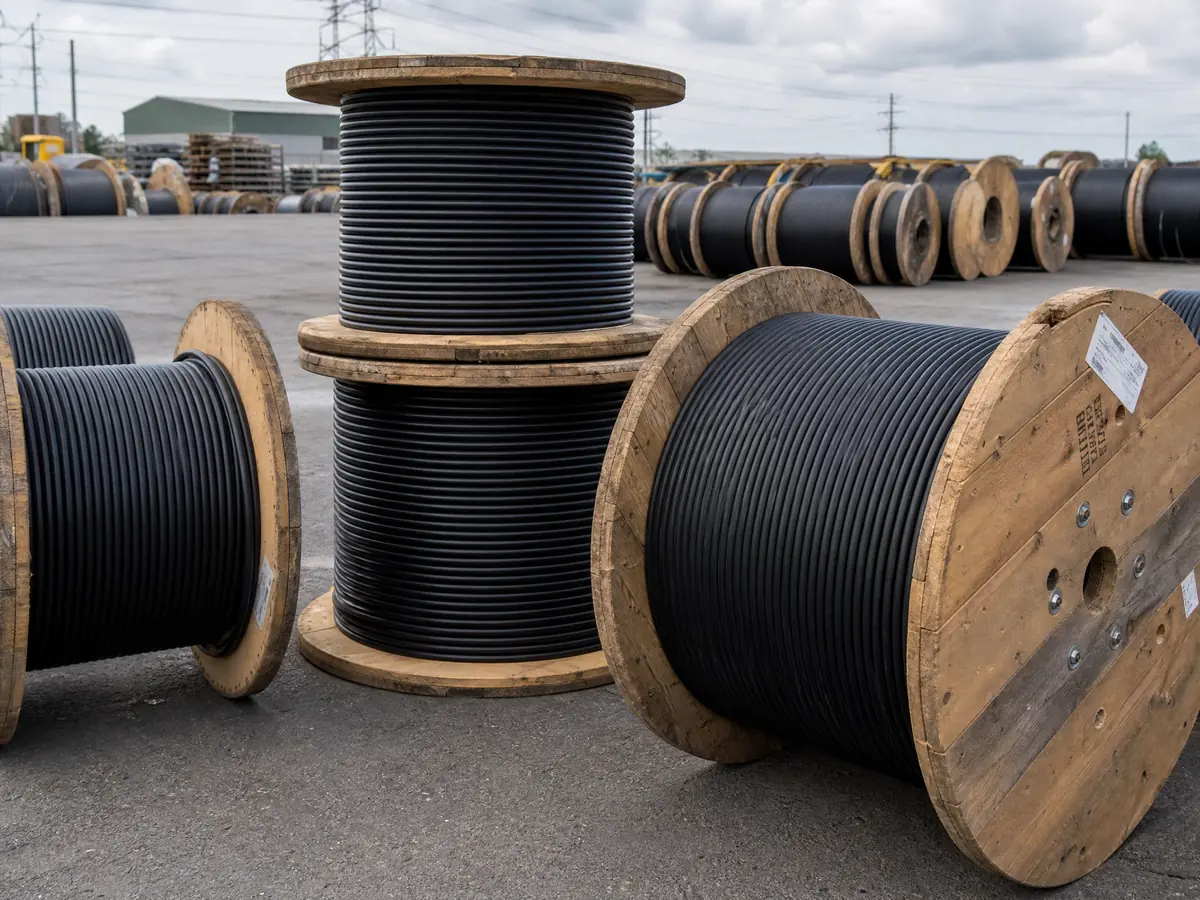
When large industrial projects, utility upgrades, or data center builds wrap up, asset managers are often left with surplus wire and cable. Whether you have full reels, partial reels, or significant cut lengths, determining what to do with these leftover materials is a critical step in recovering project costs. Surplus cable represents a substantial capital investment, and leaving it to degrade in outdoor storage or scrapping it for base metal value often results in a significant loss of potential revenue. Specialized buyers of surplus electrical equipment understand the functional value of intact industrial cable and can offer returns that reflect its usability rather than just its raw copper or aluminum weight.
Navigating the secondary market for wire and cable requires an understanding of how buyers evaluate these assets. The value of surplus cable is influenced by multiple factors, including conductor material, insulation type, voltage rating, continuous length, and the condition of both the cable and its reel. For contractors, demolition firms, and plant managers, partnering with a buyer who can accurately assess these variables and handle the complex logistics of transporting heavy reels is essential. Industrial Electrical Surplus buys transformers, switchgear, circuit breakers, panels, MCCs, and cable nationwide. Sellers send photos and nameplate details, the company arranges freight/rigging, and payment is issued before pickup. For inquiries, the phone is (951) 903-9804.
Cable Evaluation Criteria
| Conductor Type | Copper typically commands higher value than aluminum, but large-scale aluminum feeders are sought after. |
|---|---|
| Insulation & Jacket | Specialized insulations (e.g., THHN, XHHW, EPR) for specific environments increase demand. |
| Voltage Rating | Medium and high voltage cables (5kV, 15kV, 35kV) are evaluated differently than 600V building wire. |
| Length & Condition | Longer continuous lengths are more valuable; cut lengths must be sufficient for practical reuse. |
How Is the Value of Surplus Cable Determined?
The valuation of surplus wire and cable goes far beyond the daily spot price of copper or aluminum. When specialized buyers evaluate a reel, they look at its potential for reuse in industrial or commercial applications. The most critical factor is the continuous length of the cable. A full, factory-sealed reel holds the highest value because it offers maximum flexibility for future installations. Partial reels are also valuable, provided the remaining length is accurately measured and sufficient for typical industrial runs. Even cut lengths can be purchased if they are long enough to be repurposed in specific settings.
Beyond length, the physical specifications dictate the market demand. The conductor size, typically measured in AWG or kcmil, along with the number of conductors, determines the cable's ampacity and potential applications. Insulation and jacket types are equally important; cables designed for harsh environments, such as those with chemical resistance or direct burial ratings, often retain significant value. Buyers also carefully inspect the condition of the outer jacket. Nicks, deep gouges, or prolonged exposure to UV light and moisture without properly sealed ends can degrade the cable's integrity, impacting its viability for reuse.
Full Reels vs. Partial Reels and Cut Lengths
Asset managers often wonder if partial reels or cut lengths are worth selling. The short answer is yes, though they are evaluated differently than full reels. Full reels, especially those still bearing the manufacturer's original tags and shrink wrap, are straightforward to assess and highly desirable. They represent untouched inventory ready for immediate deployment. For these assets, providing the buyer with a clear photograph of the manufacturer's label is usually sufficient to begin the valuation process.
Partial reels require a bit more documentation. Buyers need to know the exact remaining footage, which can often be determined by reading the sequential footage markers printed on the cable jacket. If markers are unavailable, calculated estimates based on the reel's dimensions and the cable's outer diameter may be necessary. Cut lengths—sections of cable removed from a reel—can also be sold, but their value depends heavily on the specific length and gauge. A 500-foot cut of 500 kcmil copper has substantial utility, whereas a 20-foot cut of the same material is typically only suitable for scrap.
The Importance of Storage and Reel Condition
How surplus cable is stored directly affects resale interest. Indoor storage that protects the jacket, printing, reel, and exposed ends from moisture and physical damage gives a buyer better evidence of condition. When cable is stored outdoors, sellers should photograph how the ends are sealed and note any visible water, jacket cracking, corrosion, crushing, or reel damage. A buyer may require additional inspection or testing before treating weather-exposed cable as reusable inventory.
The condition of the wooden or steel reel itself is also a factor, primarily concerning logistics. A structurally sound reel is necessary for safe handling, loading, and transportation. If a wooden reel is severely rotted or structurally compromised, it poses a safety hazard during rigging and transit. While the cable on a damaged reel may still be valuable, buyers must factor in the cost and complexity of safely transferring the cable to a secure spool before it can be shipped.
What Information Do Buyers Need to Make an Offer?
To receive an accurate and prompt offer for your surplus cable, providing detailed and clear information is crucial. The process begins with photographs. Clear images of the overall reel, showing its condition and how it is stored, are the first requirement. More importantly, buyers need close-up photos of the manufacturer's label, which typically details the gauge, conductor material, insulation type, voltage rating, and original length.
If the label is missing or illegible, the required specifications can usually be found printed directly on the cable's outer jacket. Providing clear photos of this print line allows the buyer to verify the exact type of cable. For partial reels, capturing the footage markers on the jacket or providing a reliable estimate of the remaining length is necessary. Gathering this information upfront eliminates guesswork, allowing the buyer to calculate a precise value based on the cable's functional utility.
How Does the Selling and Logistics Process Work?
Selling heavy industrial cable should not be a logistical burden for the seller. A professional surplus equipment buyer will handle the complexities of the transaction from start to finish. Once you submit photos and the necessary details about your wire and cable, the buyer will evaluate the inventory and present an offer. If the offer is accepted, the focus shifts to logistics and payment. Industrial Electrical Surplus ensures a secure transaction by issuing payment in full before any equipment leaves your facility.
Handling heavy reels of cable requires specialized freight and rigging coordination. A single large reel can weigh several thousand pounds, requiring appropriate forklifts or cranes for loading, as well as flatbed or step-deck trailers for transport. Industrial Electrical Surplus arranges all necessary freight and rigging nationwide, coordinating with your site managers to ensure a safe and efficient pickup. This comprehensive approach allows contractors and facility managers to clear valuable space and recover capital without dedicating internal resources to shipping logistics.
Ready to sell? Get your offer today.
Send photos and nameplate details — we respond with a firm offer, typically within 24 hours. Freight and rigging arranged nationwide, payment before pickup.
Frequently Asked Questions
- Do you buy both copper and aluminum industrial cable?
- Yes, we purchase both copper and aluminum surplus cable. While copper generally holds a higher value, large-gauge aluminum cable used for feeders and major distribution is also sought after in the secondary market.
- Can I sell a reel if some of the cable has already been used?
- Absolutely. Partial reels retain significant value as long as the remaining continuous length is sufficient for practical reuse. Providing the footage markers from the cable jacket helps us determine the exact remaining length and value.
- What should I do if the manufacturer's tag is missing from the reel?
- If the tag is missing, you can provide clear photographs of the print line on the cable's outer jacket. This text typically includes all the necessary specifications, such as conductor size, insulation type, and voltage rating, needed for an evaluation.
- Who handles the transportation of heavy cable reels?
- Industrial Electrical Surplus manages all logistics, including freight and rigging. We coordinate the specialized transport required for heavy reels nationwide, ensuring a safe and efficient removal from your site after payment has been issued.